Your cart is currently empty!
Mastering the art of bluffing: Tips for poker enthusiasts
Understanding the Psychology of Bluffing
Bluffing is an intricate art that goes beyond mere deception; it is rooted deeply in psychological strategy. At its core, successful bluffing requires an understanding of your opponents’ behaviors and thought processes. Players often rely on tells, which are subtle indicators of a player’s strength or weakness, and many find that using the best sports betting sites canada can enhance their game by providing insights into common strategies. By observing these cues, you can gauge how your bluff might be perceived and adjust your approach accordingly. For instance, if an opponent displays signs of agitation when you raise, it may indicate that you have successfully put them on edge.
Your own emotional control is equally crucial in a bluffing scenario. Maintaining a calm and composed demeanor while executing a bluff can influence how others perceive your hand strength. If you act confidently, your opponents are more likely to fold, believing you must be holding a powerful hand. Remember, the goal of bluffing isn’t just to deceive but to evoke a specific reaction from those at the table. Tailoring your bluff to match the situation can significantly enhance its effectiveness.
Additionally, mastering the timing of your bluffs can lead to increased success. Knowing when to execute a bluff depends on various factors including the game dynamics, your table image, and the specific players you are facing. A well-timed bluff can shift the game’s momentum in your favor; conversely, a poorly executed bluff can lead to significant losses. Therefore, understanding the broader context of the game and the motivations behind your opponents’ actions is imperative for anyone looking to bluff effectively.
Developing Your Bluffing Technique
Once you grasp the psychological framework of bluffing, the next step is to develop a technique that is both personal and effective. One way to approach this is by varying your betting patterns. For example, if a player consistently bets a certain amount with strong hands, changing your bet sizes can confuse opponents, making it challenging for them to discern when you are bluffing. Randomness in your betting approach can mask your true intentions and make you a more formidable opponent.
Another technique involves selecting your moments carefully. Bluffing in early rounds can be less effective as players typically have stronger hands and are more likely to call. Conversely, bluffing in later rounds, particularly after several players have folded, can yield better results. Players are more susceptible to believing a strong hand exists when they view fewer cards on the table. By picking your spots wisely, you can create situations where your bluff stands a higher chance of success.
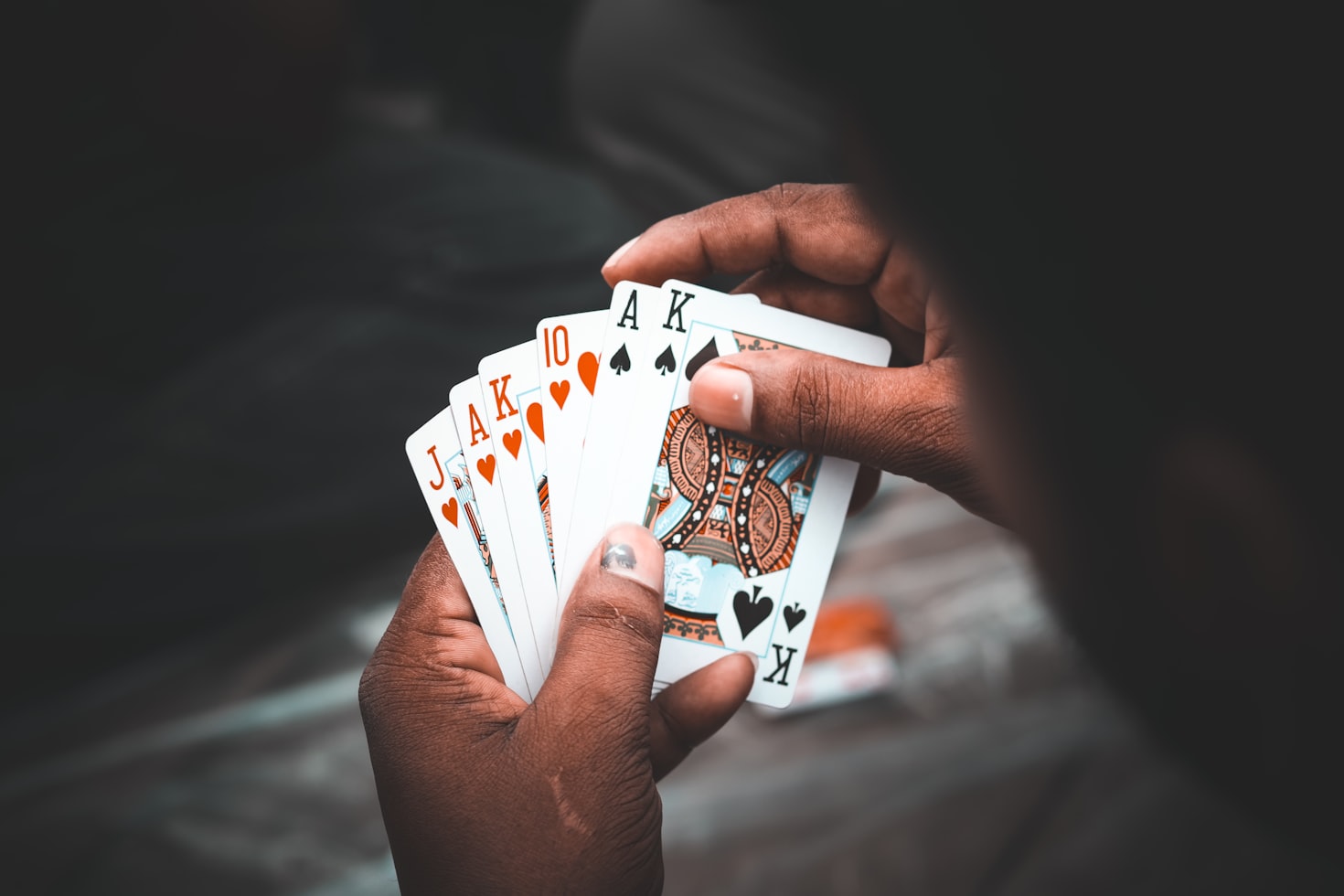
Practicing your bluffing skills in different types of games can also be beneficial. Whether you’re playing cash games, tournaments, or online, each setting offers unique challenges and opportunities for bluffing. Training in varied environments will help you adapt your technique to different player types and game dynamics. Over time, you’ll develop an instinct for when to bluff and which methods to employ, enhancing both your enjoyment of the game and your likelihood of success.
Reading Your Opponents
Reading opponents is one of the most critical skills in poker, particularly when it comes to bluffing. Each player has a distinct playing style: some are aggressive and prone to calling bluffs, while others are more conservative and likely to fold at the slightest hint of danger. By taking the time to observe how your opponents behave, you can tailor your bluffing strategy to align with their tendencies. For instance, bluffing against a loose player who often calls can be a poor decision, while a tight player may be more prone to folding.
Paying attention to the betting patterns of your opponents can also yield important insights. Players may unconsciously reveal their confidence levels through their betting behavior. A player who suddenly raises the pot significantly may be more likely to have a strong hand, while a smaller bet could indicate uncertainty. Analyzing these patterns over time will enable you to develop a more nuanced understanding of when to bluff and when to hold back, ultimately improving your strategic decision-making.
Furthermore, body language plays a crucial role in reading opponents at the table. Subtle cues such as fidgeting, eye contact, or even facial expressions can provide hints about their confidence in their hand. Understanding these non-verbal signals can offer an advantage when determining whether to go for a bluff. If you notice an opponent appearing nervous, this could be an opportune moment for you to take the risk and attempt a bluff, as they may be more likely to fold under pressure.
Mastering the Art of Timing
Timing is a pivotal component of effective bluffing. Knowing when to execute a bluff can be more influential than the bluff itself. For instance, bluffing after a scary card appears on the board can often be more convincing to your opponents. If a high card or a straight/flush possibility shows up, your opponent may become wary of your potential hand strength. This context allows you to leverage their fear to successfully bluff them out of the pot.

Moreover, considering the stage of the game is essential for successful bluffing. Early in a session, players may be more inclined to call your bets as they are still adjusting and evaluating their opponents. In contrast, as the game progresses, players might tighten up their ranges, making them more susceptible to well-timed bluffs. Recognizing these shifts in player psychology can enhance your ability to bluff effectively at various points in the game.
Finally, it’s beneficial to remember that not every bluff needs to result in a fold. Sometimes, the act of bluffing can set the stage for future hands. If you bluff and get called, this can create an image of you being unpredictable; subsequently, your genuine strong hands may receive less respect. This long-term strategy reinforces the idea that effective bluffing is as much about building your persona at the table as it is about winning individual hands.
Join Our Community of Enthusiastic Players
At our platform, we are dedicated to fostering a vibrant community of poker enthusiasts eager to improve their skills and connect with fellow players. Our discussions and resources are designed to enhance your understanding of the game, particularly when it comes to mastering techniques like bluffing. Engaging with others allows you to share experiences, strategies, and tips that can greatly benefit your poker journey.
We also provide a variety of educational content, including articles, videos, and tutorials focused on countless aspects of poker, from basic strategies to advanced bluffing techniques. This wealth of information is an invaluable resource for anyone looking to take their game to the next level. By participating in our community, you not only learn but also contribute to the collective knowledge that can help fellow players succeed.
Whether you are a beginner honing your skills or an experienced player refining your strategy, our platform is the perfect place to connect with others who share your passion for poker. Join us today to elevate your game and experience the thrill of mastering the art of bluffing alongside like-minded individuals.